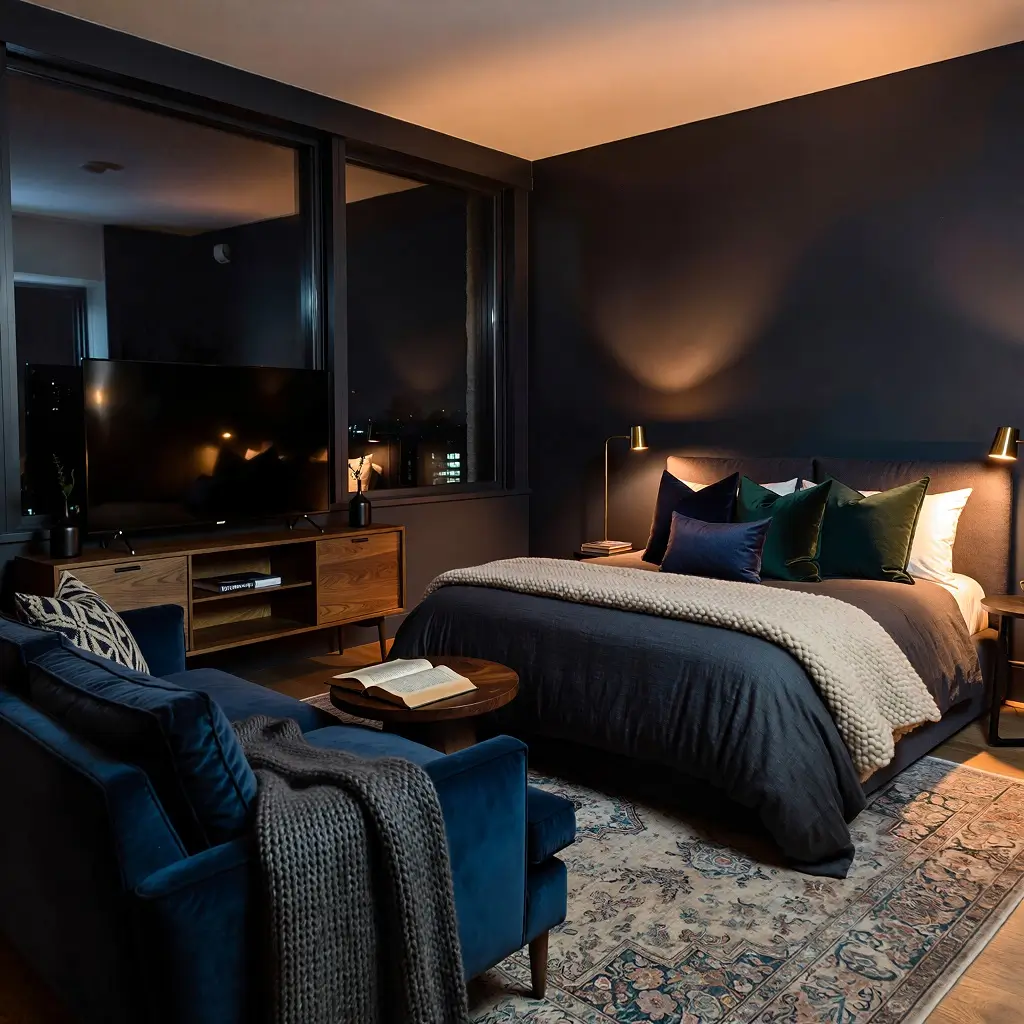
Your bedroom should be more than a place to sleep. It should feel calm, restorative, and separate from the noise of the day. When designed intentionally, your bedroom can support better sleep, lower stress, and help your mind fully unwind at night.
Creating a sanctuary doesn’t require a full renovation. Small, thoughtful choices can make a meaningful difference.
- Start With Calm, Neutral Colors
Color has a powerful effect on the nervous system. Soft, muted tones help signal relaxation and safety to the brain.
Why it works:
Neutral and earthy colors reduce visual stimulation, making it easier for your mind to slow down.
Try this:
Shades of warm white, beige, soft gray, muted green, or pale blue work well in sleep spaces.
- Declutter to Reduce Mental Noise
A cluttered room creates subtle stress, even if you don’t consciously notice it. Visual chaos keeps the brain alert.
Why it works:
A clean, open space allows your mind to relax and associate the room with rest.
Try this:
Keep surfaces minimal and store items out of sight. If something doesn’t belong in the bedroom, remove it.
- Choose Soft, Layered Lighting
Bright overhead lighting can feel harsh, especially at night. Soft lighting helps your body transition into sleep mode.
Why it works:
Low, warm light encourages melatonin production and reduces stimulation.
Try this:
Use bedside lamps, wall sconces, or dimmable lights with warm bulbs instead of a single bright ceiling light.
- Create a Sleep-Focused Layout
Your bed should be the focal point of the room—not screens, desks, or electronics.
Why it works:
When the bed is associated only with rest, your brain learns to relax more quickly.
Try this:
Position the bed in a balanced, grounded location and keep work areas out of the bedroom if possible.
- Invest in Comfort and Texture
The way your bedroom feels is just as important as how it looks. Soft textures create a sense of safety and warmth.
Why it works:
Comfort signals the nervous system to relax, making it easier to unwind.
Try this:
Layer bedding, add a cozy rug, and choose fabrics that feel pleasant against the skin.
- Reduce Noise and Distractions
Unwanted sounds can disrupt sleep even if they don’t fully wake you.
Why it works:
A quieter environment allows deeper and more continuous sleep.
Try this:
Use curtains, soft furnishings, or white noise to reduce external noise.
- Bring in Natural Elements
Nature has a calming effect on the human brain.
Why it works:
Natural materials help lower stress and create a sense of balance.
Try this:
Add plants, wood accents, natural fabrics, or subtle earthy details.
- Make It Personal—but Peaceful
Your bedroom should reflect you, but it shouldn’t overwhelm you.
Why it works:
Personal touches create comfort, while restraint maintains calm.
Try this:
Choose a few meaningful items rather than many decorative pieces.
A Sanctuary Is About Intention
Designing a bedroom sanctuary isn’t about trends or perfection. It’s about creating a space that helps your body and mind fully let go.
When your bedroom supports rest, sleep becomes deeper, mornings feel easier, and your overall well-being improves.